Surface assessment
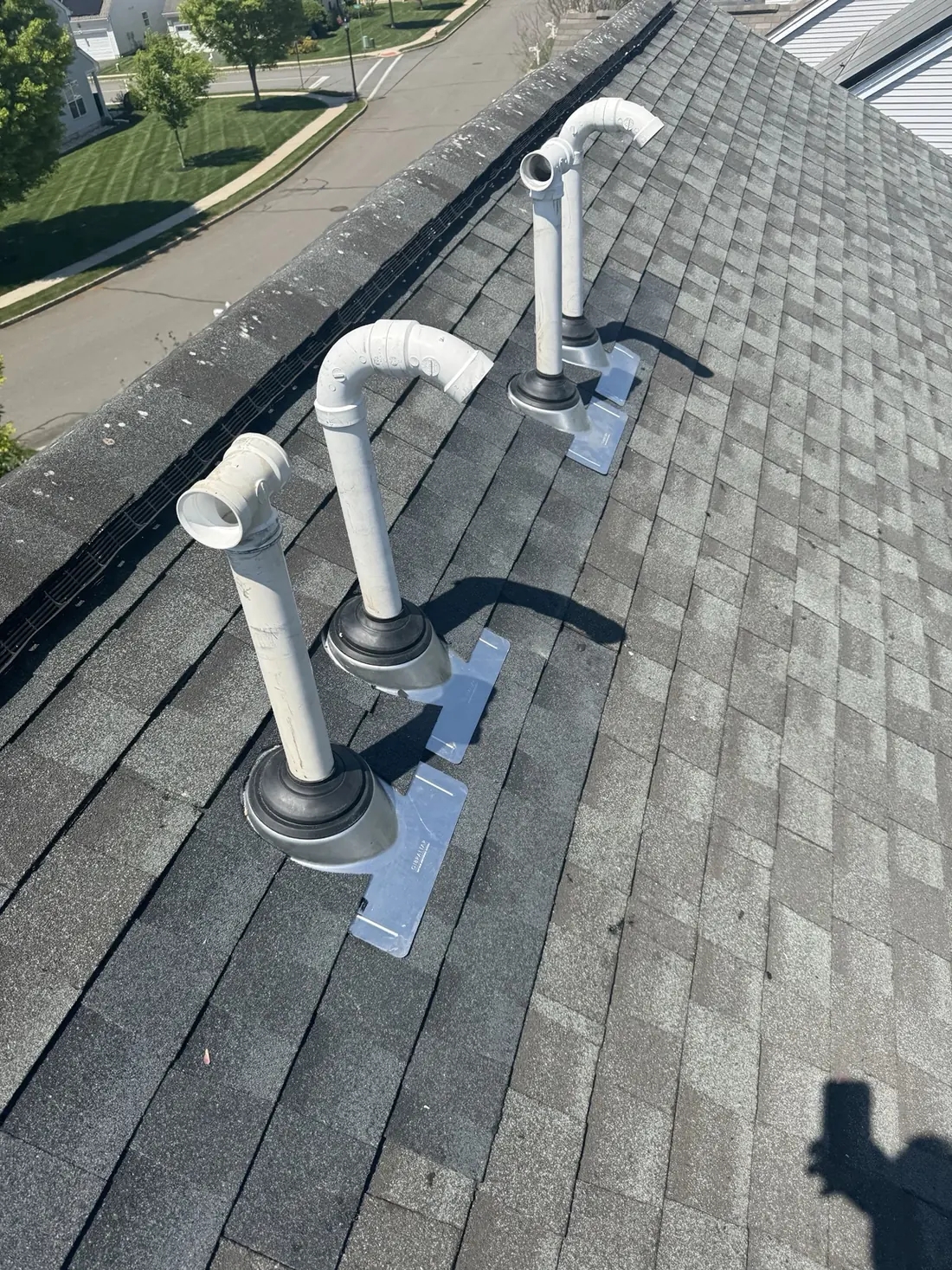
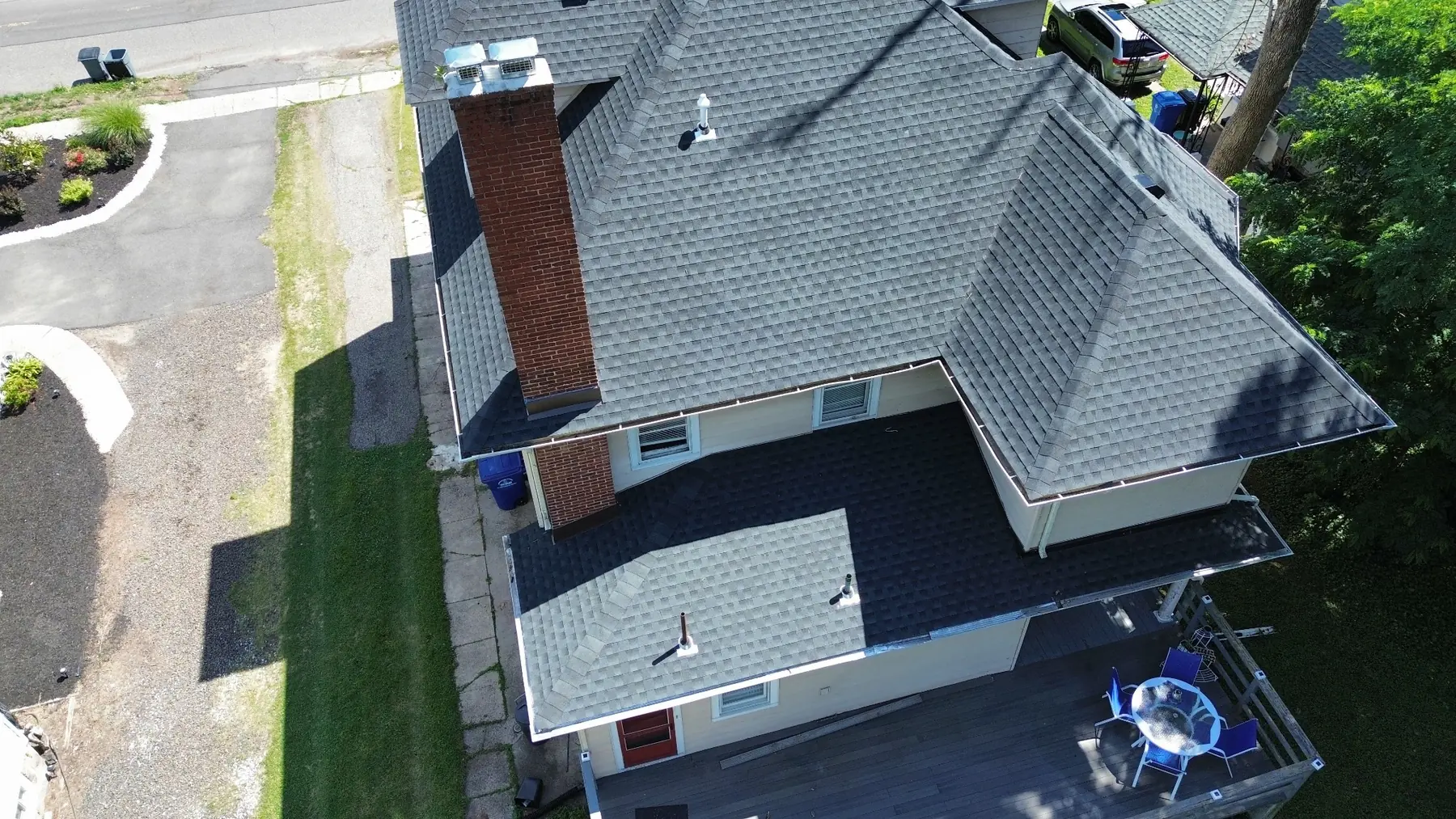
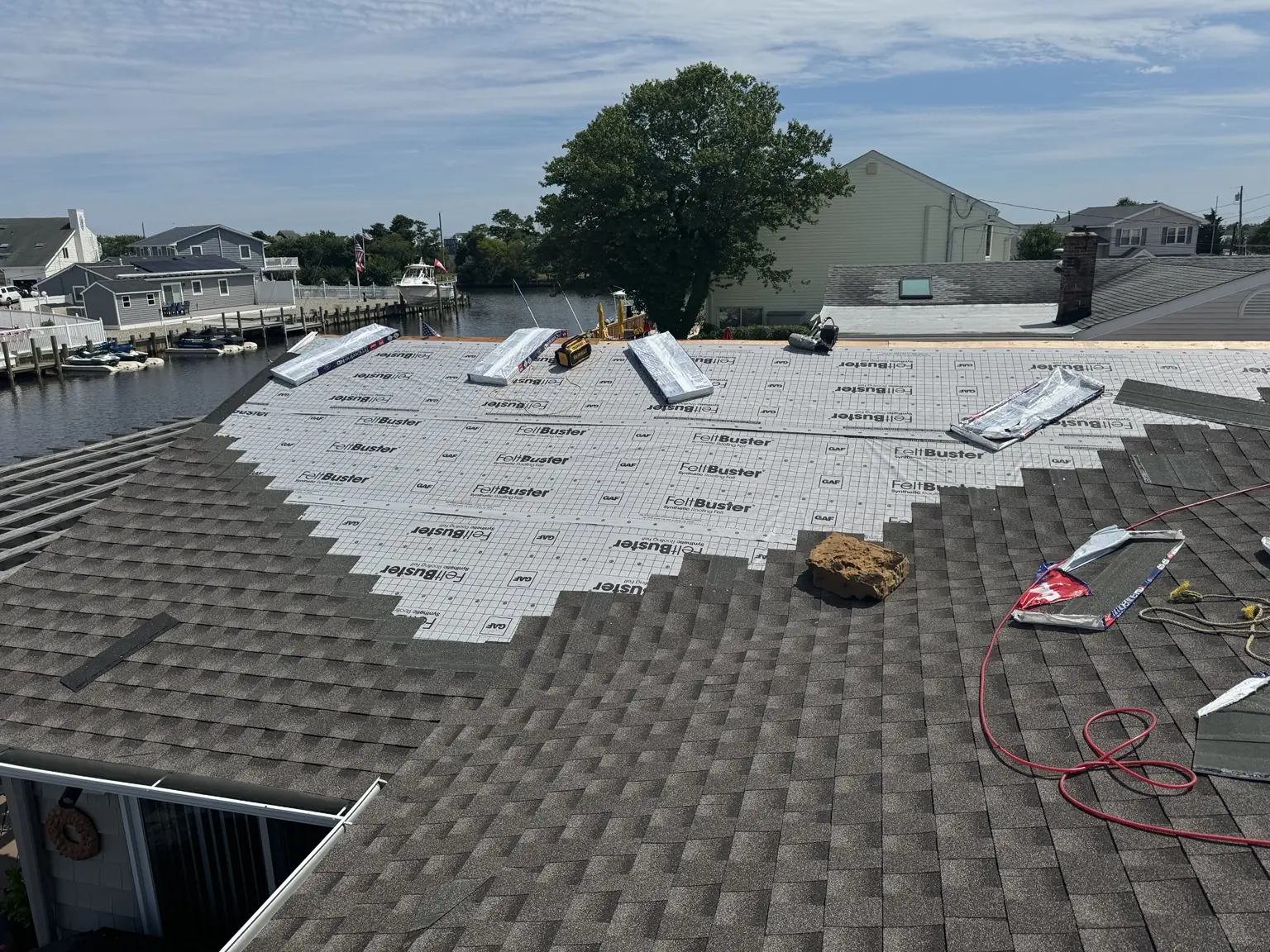
We review membrane condition, drainage, seams, edges and penetrations.

Low-slope expertise
Flat and low-slope roofs rely on clean seams, sound drainage and careful work at every penetration. We evaluate the existing surface and recommend repair or replacement based on the actual condition.
When to call
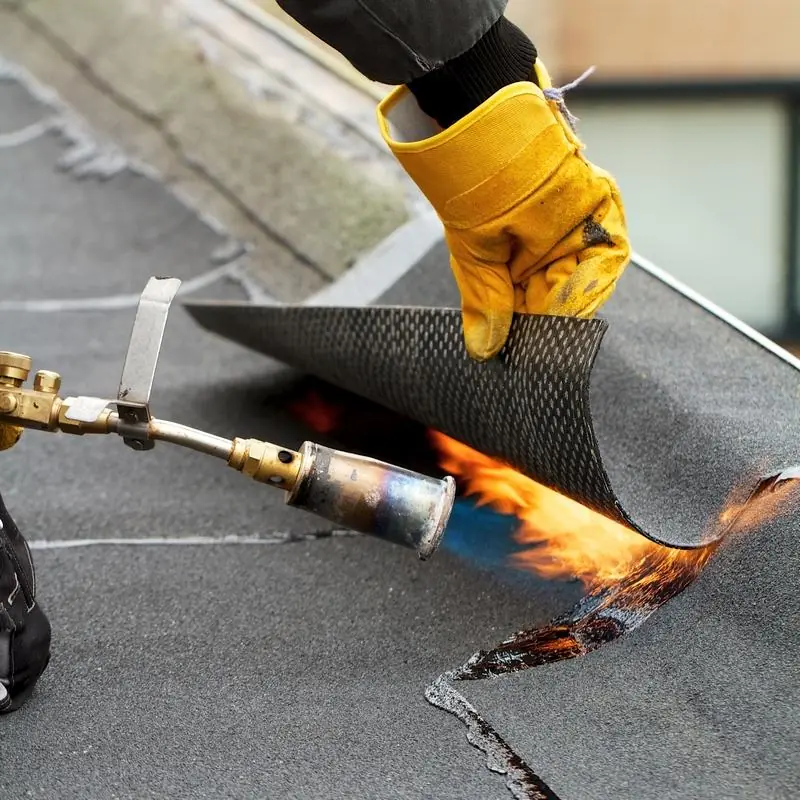
Ponding, open seams and worn transitions can turn into interior damage. Low-slope roofing should be reviewed before a small opening spreads under the membrane.
What the service includes
We review membrane condition, drainage, seams, edges and penetrations.
Localized openings may be addressed when the surrounding roof remains serviceable.
When the system has failed broadly, we scope removal, deck work and the new low-slope assembly.
Transitions, penetrations and water flow receive the attention low-slope roofs require.
Our approach
The roof surface and common water-entry points are reviewed together.
The roof design and condition guide the material and installation approach.
Edges, walls, penetrations and seams are completed and checked carefully.
Common questions
Yes, when damage is localized and the surrounding membrane is still serviceable. Widespread seam failure, saturated layers or failing decking can make replacement the stronger option.
The project may call for modified-bitumen or another low-slope membrane system. We recommend the assembly that fits the deck, drainage and existing conditions.
Low spots, blocked drainage or deck movement can cause ponding. The source should be identified before adding another surface patch.
Related roofing help
Your next step
Share the full project address, what you are seeing and your preferred appointment window. Modern Home confirms the visit before scheduling.
Start the quick intake →Or call (732) 682-9251